
Health
Stray kittens bite kids, then started foaming at the mouth, parents say Monroe County Health Dept. left them waiting for answers
By Evelyn Rodriguez
Advertisement · Why this ad?
Sofia Torres is a passionate education reporter with over 7 years of experience covering Albany's schools. A graduate of the University of Rochester, she previously worked for the Albany School District's communications office and focuses on ensuring equity in education and spotlighting innovative teaching practices.
More from Sofia →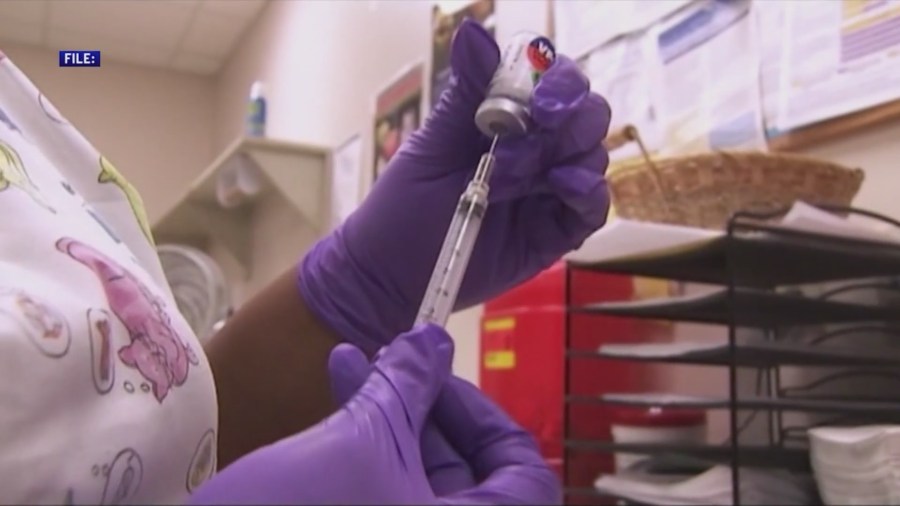
The crisp air of late autumn in Albany carries an unsettling reminder: the flu season has arrived unexpectedly early this year, casting a shadow over families preparing for holiday gatherings. The early onset of respiratory illnesses has prompted concern among healthcare providers, educators, and community leaders alike. For many residents, especially those with young children or elderly relatives, this season signals a need for heightened vigilance and proactive health measures. On a chilly morning at the Albany County Health Department, Dr. Lisa Carter, a dedicated family physician and mother of three, pauses to reflect on the rising tide of respiratory illnesses. Her concern is shared by many local residents who are seeing more patients than usual, especially among the vulnerable populations. The early onset of flu, coupled with the ongoing threat of COVID-19 and RSV, underscores the importance of community vigilance and personal responsibility as we approach the festive season.
According to New York State Health Commissioner James McDonald, the flu arrived earlier than typical this year, prompting health officials to act swiftly. The Department of Health has launched a new interactive dashboard that offers real-time data on respiratory viruses across the state, including Albany. This innovative tool allows residents and healthcare providers to monitor the spread of flu, COVID, and RSV by location and observe trends over time, fostering a more informed response to the season’s challenges. The early surge has resulted in increased hospitalizations, particularly among children and seniors, emphasizing the urgent need for preventative measures.
In Albany, local clinics report a noticeable uptick in flu cases compared to previous years at this time. Dr. Carter explains, “We’re seeing more patients with high fever, cough, and fatigue — signs that point to an aggressive flu season. It’s a stark reminder that we need to be proactive, especially with holiday gatherings approaching.” The Department of Health’s dashboard, accessible via ny.gov, provides a visual snapshot of the virus's spread, helping families make informed decisions about their health and safety.
Many Albany families are feeling the impact firsthand. Schools are reinforcing health protocols, encouraging students to wash hands frequently and stay home if they exhibit symptoms. Maria Lopez, a mother of three and a volunteer at her children’s school, shares, “It’s concerning to see the numbers rise so early. We’re doing everything we can — masks, hand sanitizer, and reminding our kids about the importance of staying healthy.” The community’s collective effort reflects a shared commitment to protecting vulnerable loved ones and maintaining a sense of normalcy amid the season’s health challenges.
Local health officials also emphasize the importance of vaccination. The flu vaccine, available at clinics and pharmacies throughout Albany, remains the most effective way to prevent severe illness. As Dr. Carter notes, “Getting vaccinated not only protects you but also helps reduce the overall burden on our hospitals and healthcare workers during this early and intense flu season.” The community’s response highlights a resilient spirit rooted in faith, family, and a shared responsibility to care for one another.
Looking ahead, health officials urge residents to stay vigilant and continue practicing preventative measures. The new respiratory virus dashboard will be updated regularly, providing ongoing insights into the season’s trajectory. Experts recommend that families schedule flu vaccinations, practice good hygiene, and stay home when feeling unwell. As the holiday season approaches, these small steps can make a significant difference in curbing the spread and ensuring that community celebrations remain joyful and safe.
Albany’s healthcare providers are also preparing for a potential surge. Local hospitals are reviewing staffing plans and ensuring adequate supplies of vaccines and antiviral medications. Community organizations are partnering with health agencies to offer free or low-cost flu shots, especially targeting underserved populations. The shared goal is clear: protect families, uphold the strength of our community, and honor the values of faith and family that define Albany’s resilient spirit. As Dr. McDonald reminds us, “Preparedness and prevention are our best tools in facing this early flu season.”
In the end, the early arrival of flu and other respiratory viruses serves as a call for renewed commitment to health and community well-being. As families gather in homes and churches across Albany, the hope is that informed choices, faith in God’s protection, and a united front will help weather this seasonal storm. With each vaccination, each careful step, and each act of kindness, the community demonstrates its enduring strength and unwavering hope for a healthier tomorrow.
Albany, like many communities across New York State, has a long history of battling seasonal illnesses, but recent trends show that early flu seasons are becoming more common. Historically, flu seasons in the Capital Region would peak between December and February, giving hospitals and clinics time to prepare. However, in recent years, the pattern has shifted, with cases appearing as early as late October or early November. This shift can be attributed to several factors, including changing climate patterns, increased international travel, and the ongoing impacts of the COVID-19 pandemic, which have altered typical viral transmission dynamics.
Local health officials emphasize that early flu activity means hospitals need to adapt quickly. Albany Medical Center, the region’s largest hospital, has already begun reviewing its staffing plans and stockpiling antiviral medications. Dr. Michael Nguyen, an infectious disease specialist at Albany Med, explains, “Early cases put pressure on our resources. We’re working closely with public health officials to ensure we’re prepared to handle a surge, especially among vulnerable populations like the elderly and immunocompromised.”
Dr. Carter, who has practiced in Albany for over 15 years, is well known in the community not just for her medical expertise but also for her advocacy. She volunteers at local health fairs, provides free health screenings, and is actively involved in outreach programs aimed at increasing vaccination rates among underserved populations. Her perspective on the early flu season is shaped by her firsthand experience with patients who often face barriers to healthcare access, such as transportation issues or language barriers.
“Our community’s health depends on reaching everyone,” she says. “That’s why we’re emphasizing vaccination and good hygiene—not just for our patients but for everyone around us.”
City officials, including Albany Mayor Kathy Sheehan, have also stepped up. Mayor Sheehan announced a new initiative to distribute free masks and hand sanitizers at public events and community centers. The Albany Chamber of Commerce is collaborating with health agencies to promote health awareness and support local businesses in implementing safety protocols. These efforts highlight a community-wide commitment to resilience and collective action in the face of an early and challenging flu season.
As the community grapples with this early start, the focus shifts to sustained vigilance. Public health officials will continue to monitor data through the new dashboard, adjusting recommendations as needed. Schools, workplaces, and community organizations are encouraged to maintain health protocols and promote vaccination drives. The upcoming holiday season presents both risks and opportunities—while gatherings are a cherished tradition, they also pose a risk for virus spread.
In response, local health departments are planning targeted outreach campaigns to encourage vaccination and health precautions before major holidays. Mobile vaccination clinics are being scheduled in underserved neighborhoods, and public service announcements will remind residents to stay home if feeling unwell. The hope is that through these coordinated efforts, Albany can mitigate the impact of the early flu season and keep its residents safe and healthy.
Long-term, health officials are also analyzing data to understand why this year’s flu arrived early and whether similar patterns might recur. Researchers at Albany College of Pharmacy and Health Sciences are studying viral transmission dynamics, aiming to improve predictive models and develop more effective prevention strategies. This research is vital for preparing future seasons and safeguarding community health.
Ultimately, the early start of flu season serves as a stark reminder that health threats are unpredictable and that community resilience depends on preparation, education, and compassion. As Albany continues to navigate this challenge, the collective efforts of healthcare providers, government officials, and residents will determine how well the community can weather this seasonal storm and emerge stronger on the other side.
By Evelyn Rodriguez

By Luis Martinez

By Nina Rodriguez

By Maria Gomez